ABOUT WAKUCA

The way wakuca thinks
was not there from the start.

We began making swune from a family’s worry.
As we met people, listened to their voices, and made it again and again,
something slowly came into view.

The real lives of people.
Gradation.
Tuning.
Omoro.
And iki.

Here, we share why wakuca cares about these five things,
and the thoughts behind the name “wakuca.”

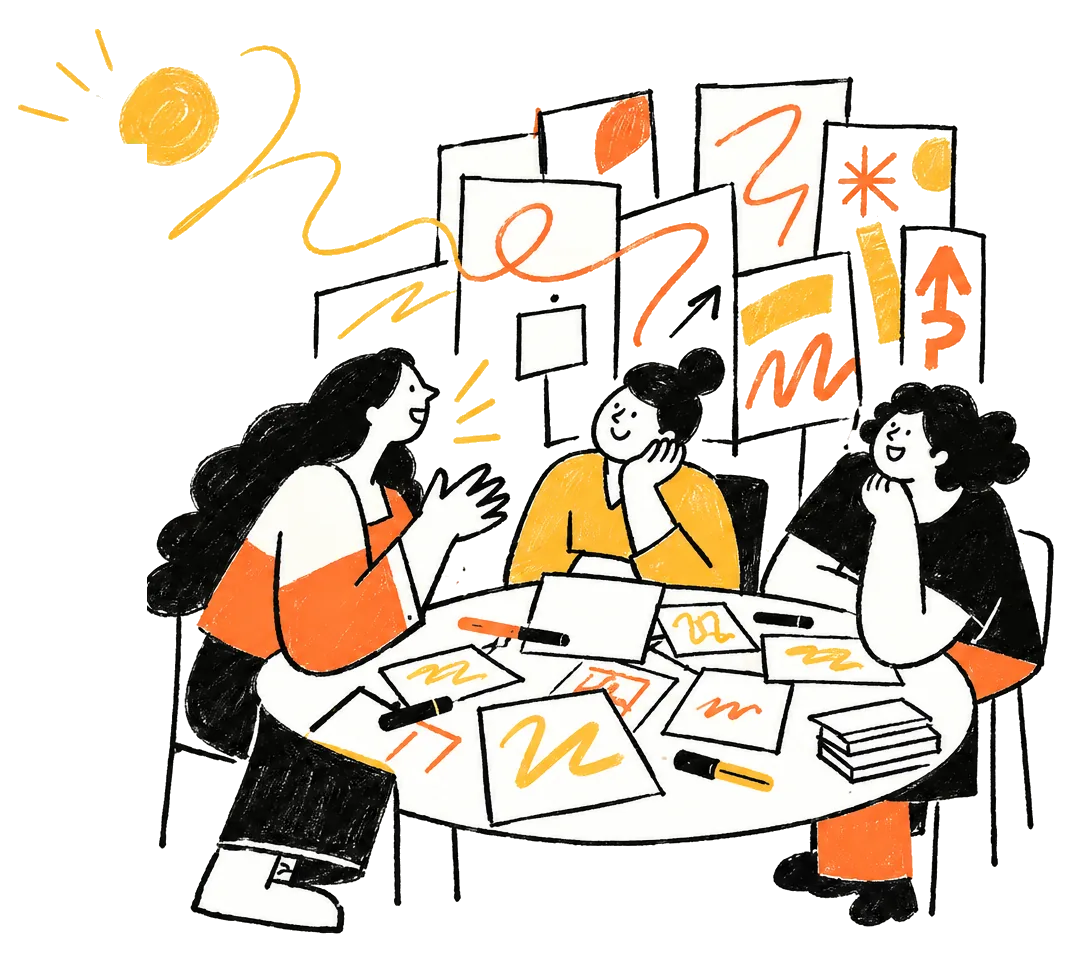
Three people talking around a round table, with panels of drawings behind them

STORY 01

Glasses are fine. What about ears?

It began with the troubles our twin younger sisters had with “sound.”

Blocking sound is not the whole answer.
We want to talk, and we want to use it naturally in front of others.

Glasses correct eyesight,
and they have also become a way to express who you are.
So why shouldn’t ears be the same?

Not by putting up with it,
but so that people can use more of the strength they already have.

From that small question, swune began.
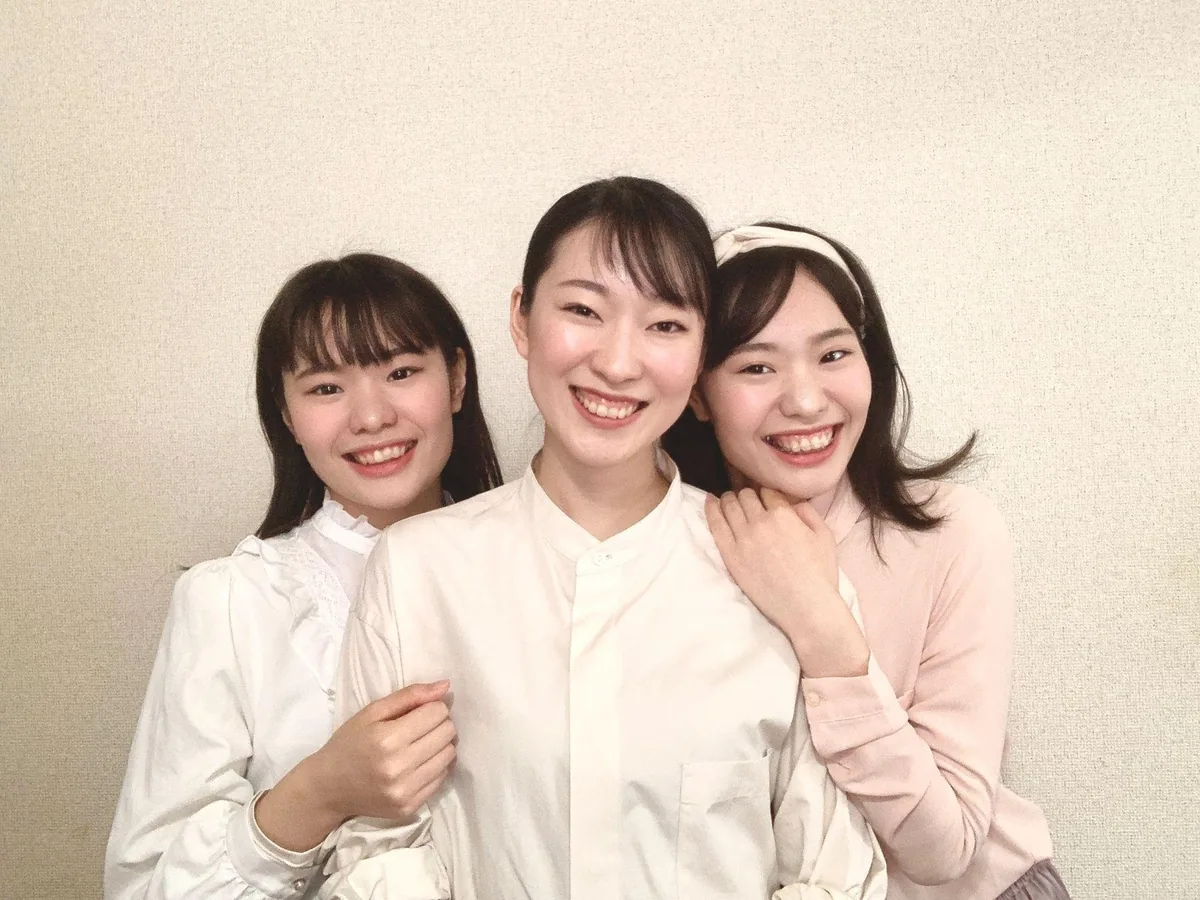
A photo of three sisters
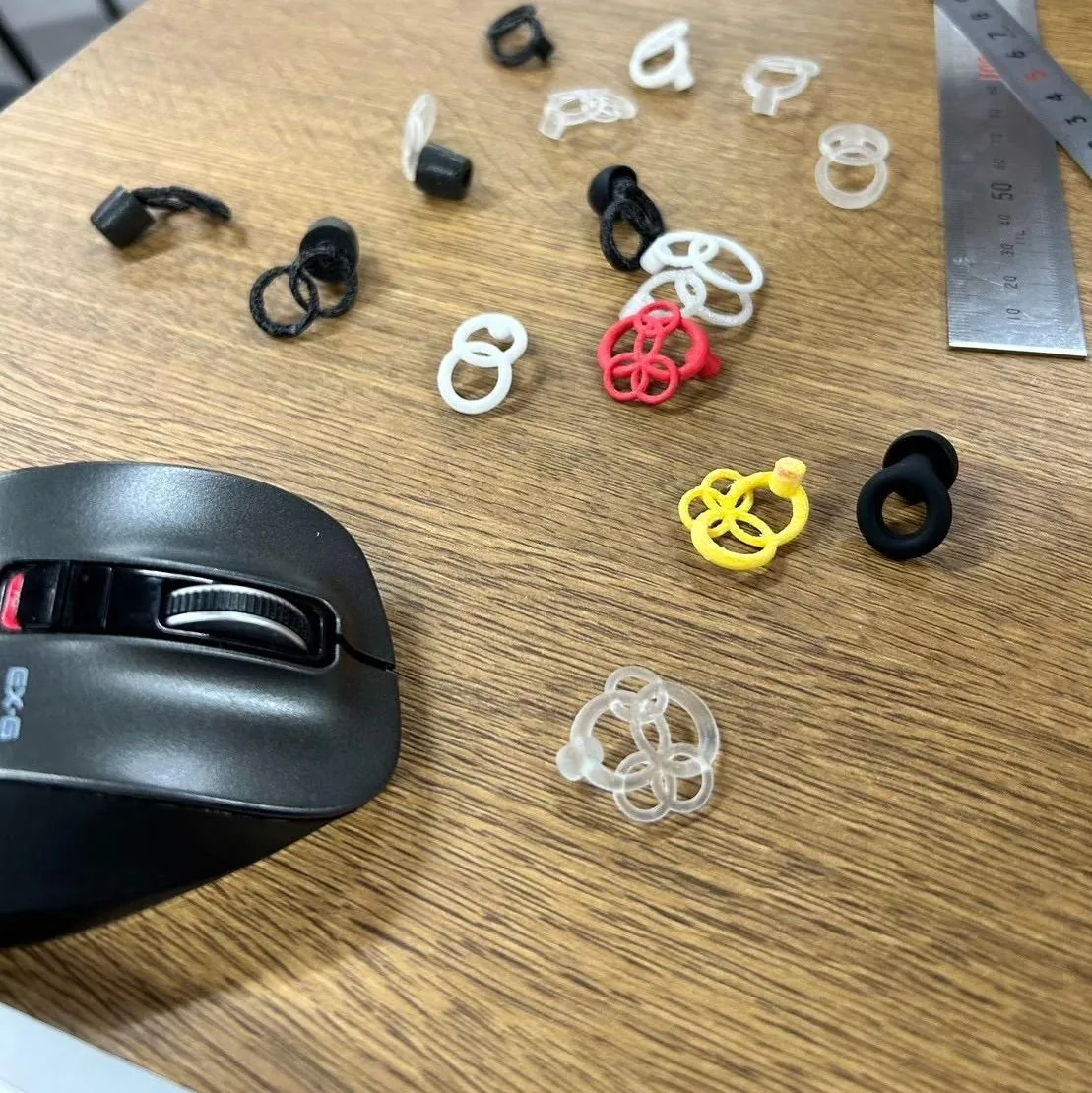
Prototype ear parts laid out on a desk
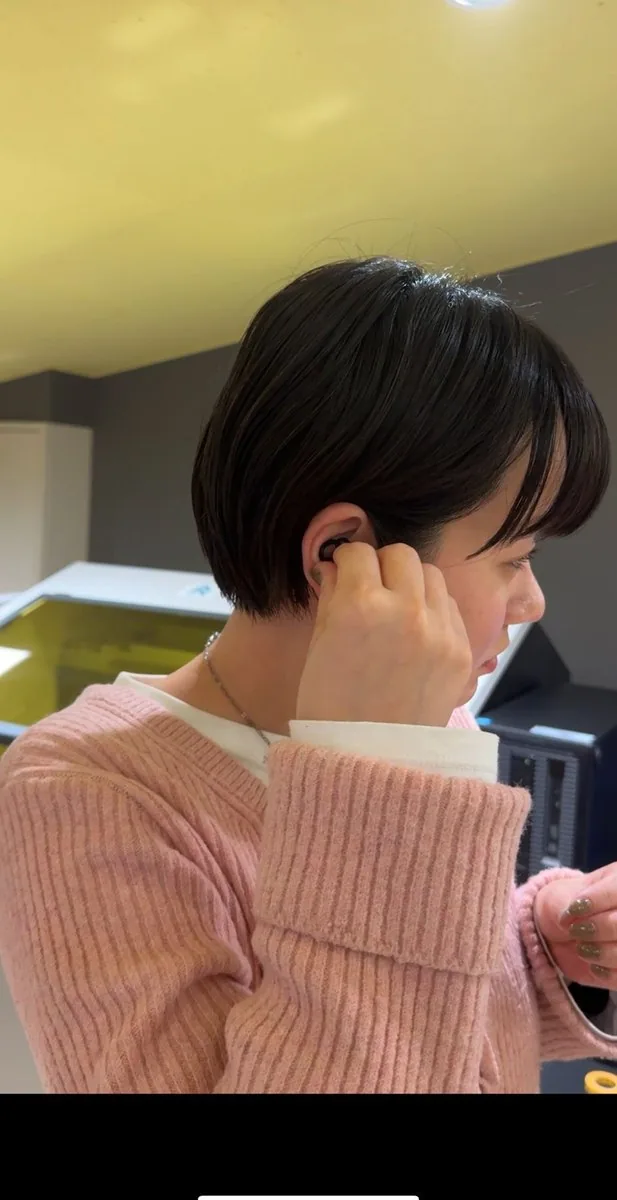
Someone trying swune on their ear
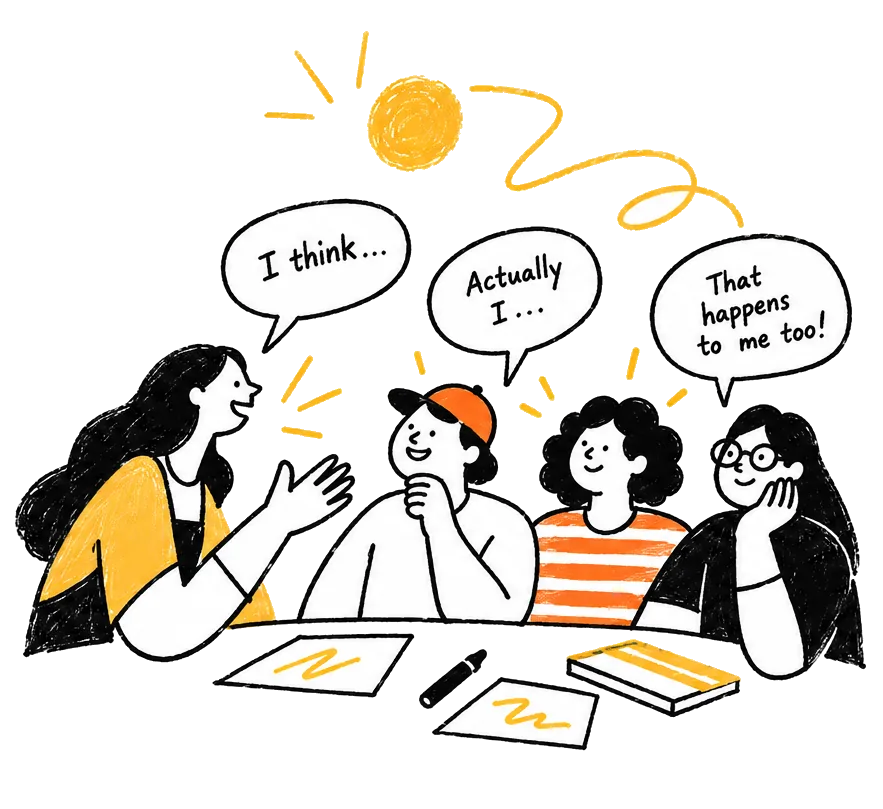
Four people around a table, each speaking in a speech bubble

01|REAL VOICE

Small voices hold hints.

When we met people and asked,
many of them said, “Me too.”

A discomfort too slight to put into words.
Something we have quietly put up with.

What we thought was our own trouble alone
is, in fact, part of many people’s days.

When we looked properly at people’s real lives,
there was still so much we could make.

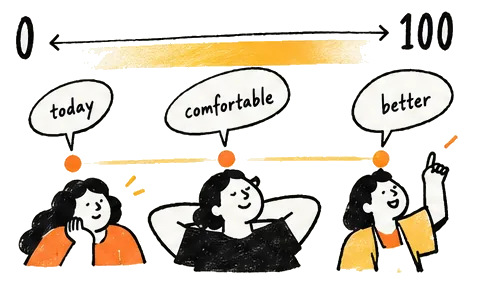
Three people between 0 and 100, saying “today,” “comfortable,” and “better”

02|GRADATION

Not 0 or 100, but a choice in the “in-between.”

We do not want to block everything.
But as it is, it is a little hard.

How people feel changes with the day, and with the place.

The answer is not 0 or 100.
Because these are shifting times,
we look for what is just right for us in that “in-between.”
We believe true comfort lies there.

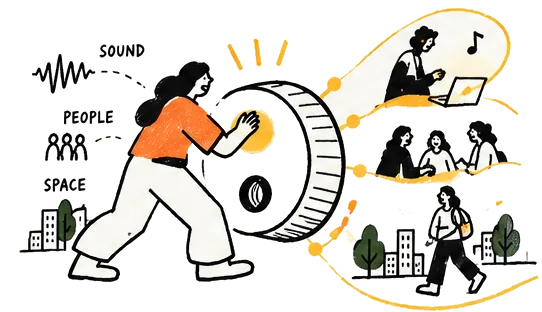
A person turning a large dial, with sound, people, and space around them

03|TUNING

What if we could move comfort ourselves?

Just as glasses adjust how we see,
we can change our distance from sound, and from our surroundings,
to fit ourselves.

Instead of forcing ourselves to fit,
we try moving the “in-between” of ourselves and everyday life.

Feeling a little lighter,
we can spend our strength on what we really wanted to do.

wakuca wants to make the “tuning” for that.

STORY 02

At first, it was n=2.

swune, which we began for our sisters,
changed little by little each time we met someone.

Have people try it.
Listen to their voices.
Make it again.

Users, companies, local governments, researchers.
Each time we met someone, we found uses and possibilities we had never imagined.

Today’s swune is a work woven together from meeting many people.

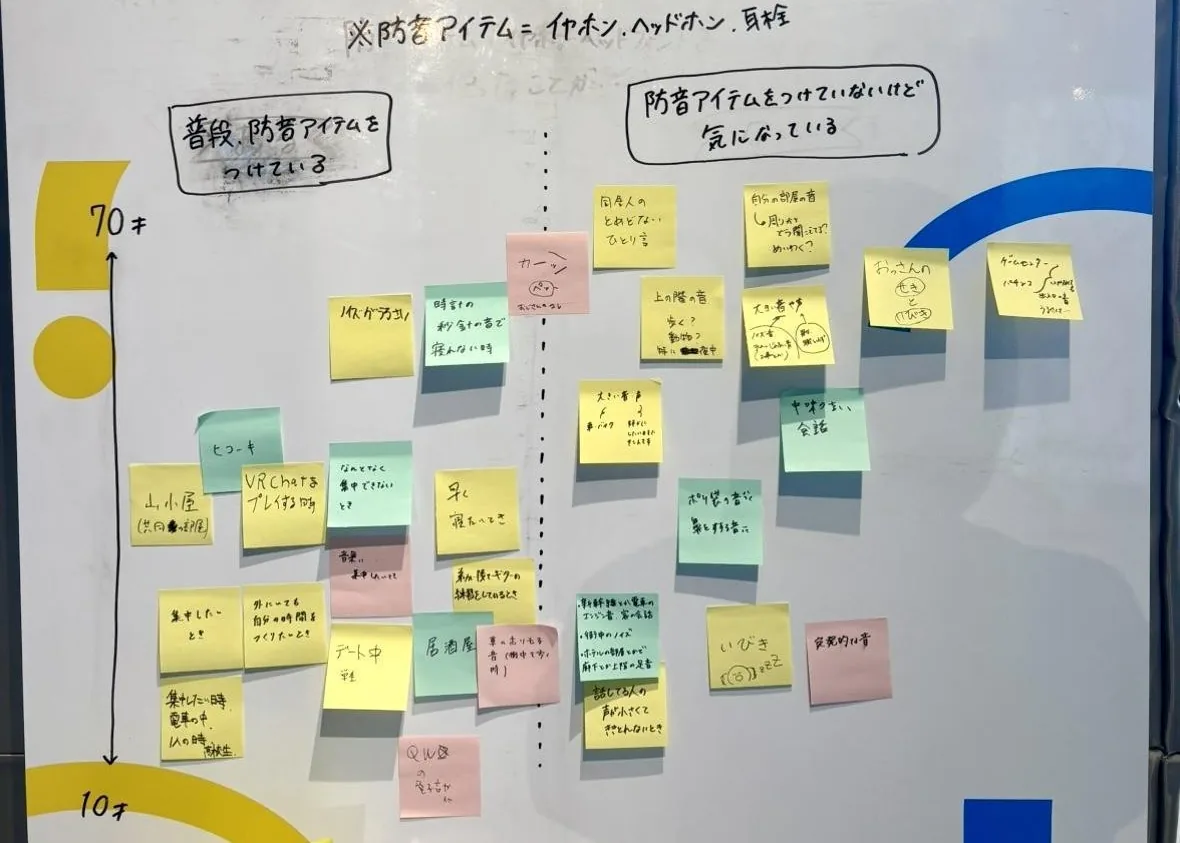
A wall covered with sticky notes of people’s voices
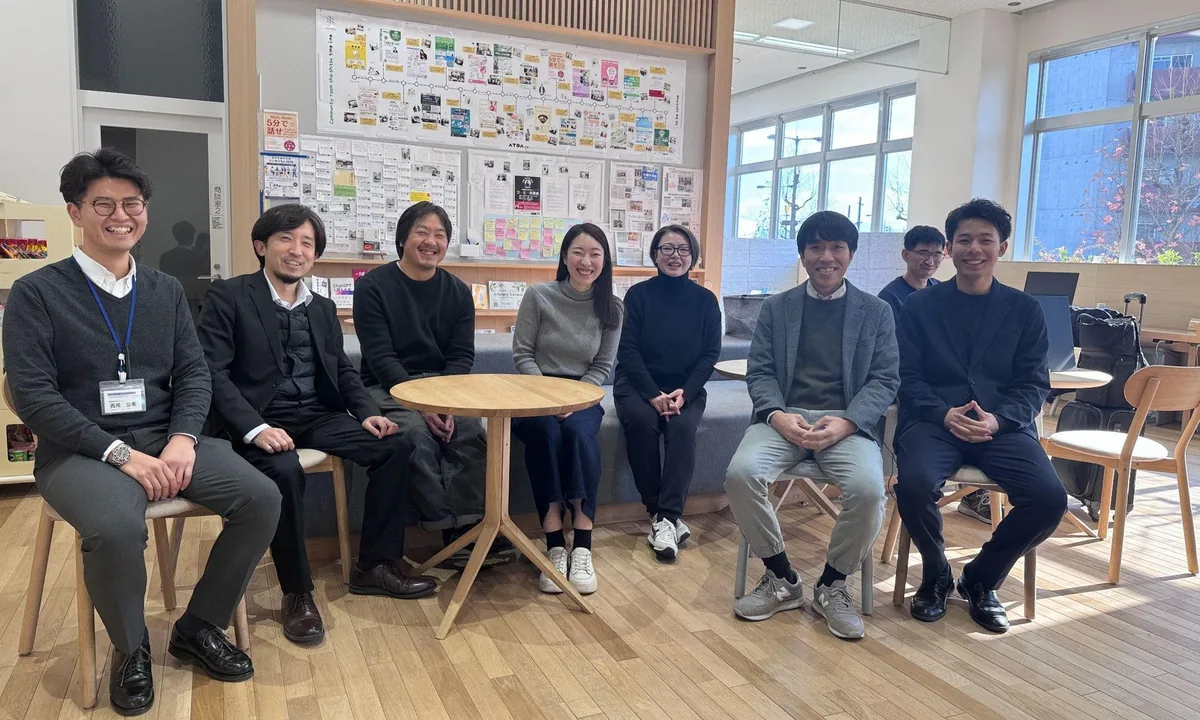
A group photo with people who tried swune
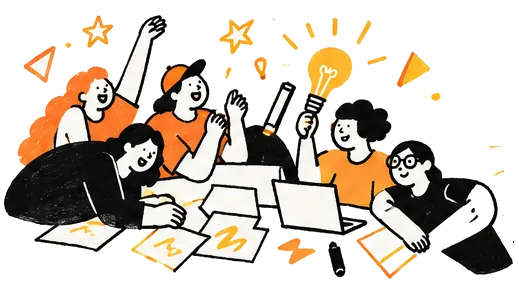
People laughing over papers spread across a table, with a light bulb of inspiration

04|OMORO

Omoro goes beyond what we imagined.

Being right alone
rarely moves people’s hearts.

“Hey, that’s nice.”
“Wouldn’t it be omoro if we had this?”

When we mix with people,
things are born that none of us could have thought of alone.

The makers, the users, the people who deliver it.
It is surely more omoro when hearts are moving.

We believe that excitement
can become the power to change the world.

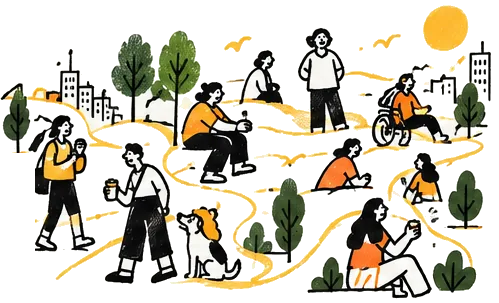
People spending their own time in a town and a park

05|IKI

Keeping our differences, and blending comfortably.

When we become a little more comfortable, that change spreads to our relationships, to the place, and to the environment.

It is not about erasing differences, or about making anyone special.

People, things, and ways of thinking each keep their own “character,” and simply exist naturally in the same everyday life.

From I to WE. And then to the environment and society.
A state in which even those relationships fit together comfortably is what wakuca calls “iki.”

To think this far, and to make things,
is what “designing iki” means to wakuca.

wakuwaku → waku → IKI

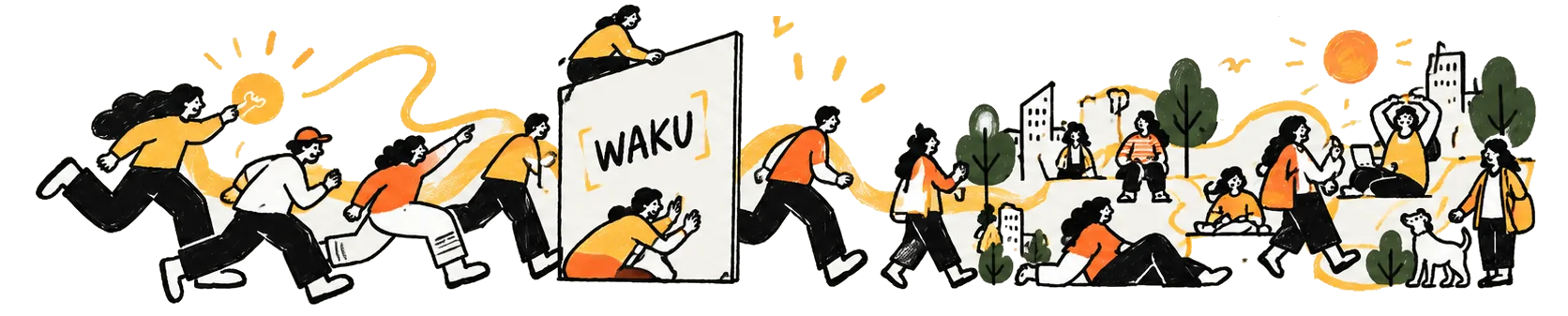
People running, passing through a frame, and joining others spending their time in a town

It starts from a small spark that moves people’s hearts.
We get excited ourselves,
and step a little beyond the “frame” we take for granted.
We mix with people, make, and change again,
and before long it settles naturally into someone’s everyday life.

waku: excitement goes beyond the frame (waku)
ca: change, excess, possibility, can
And -iki-: put quotation marks around the frame, and it becomes “iki” (粋), lol

From excitement, beyond the frame, to iki.
In the name wakuca,
we hold this wish for making things.

Contact

Go to the contact form